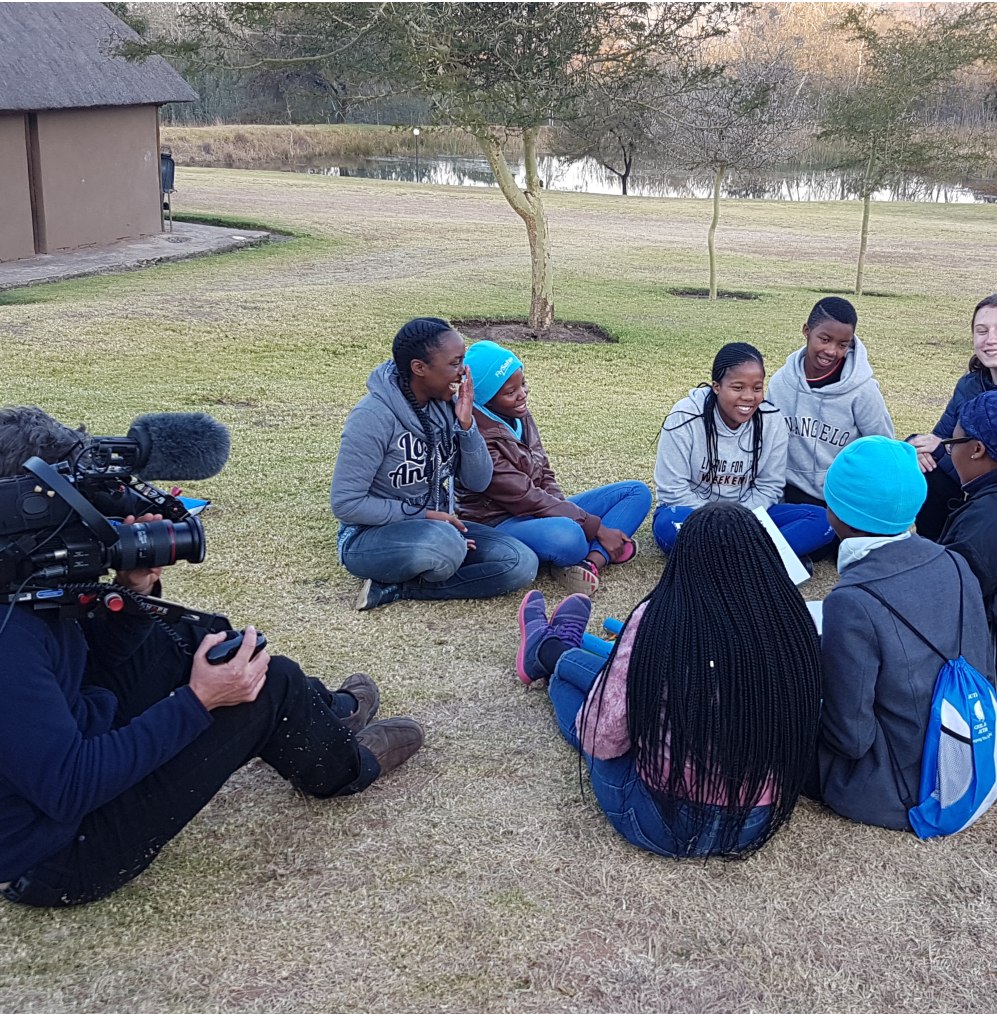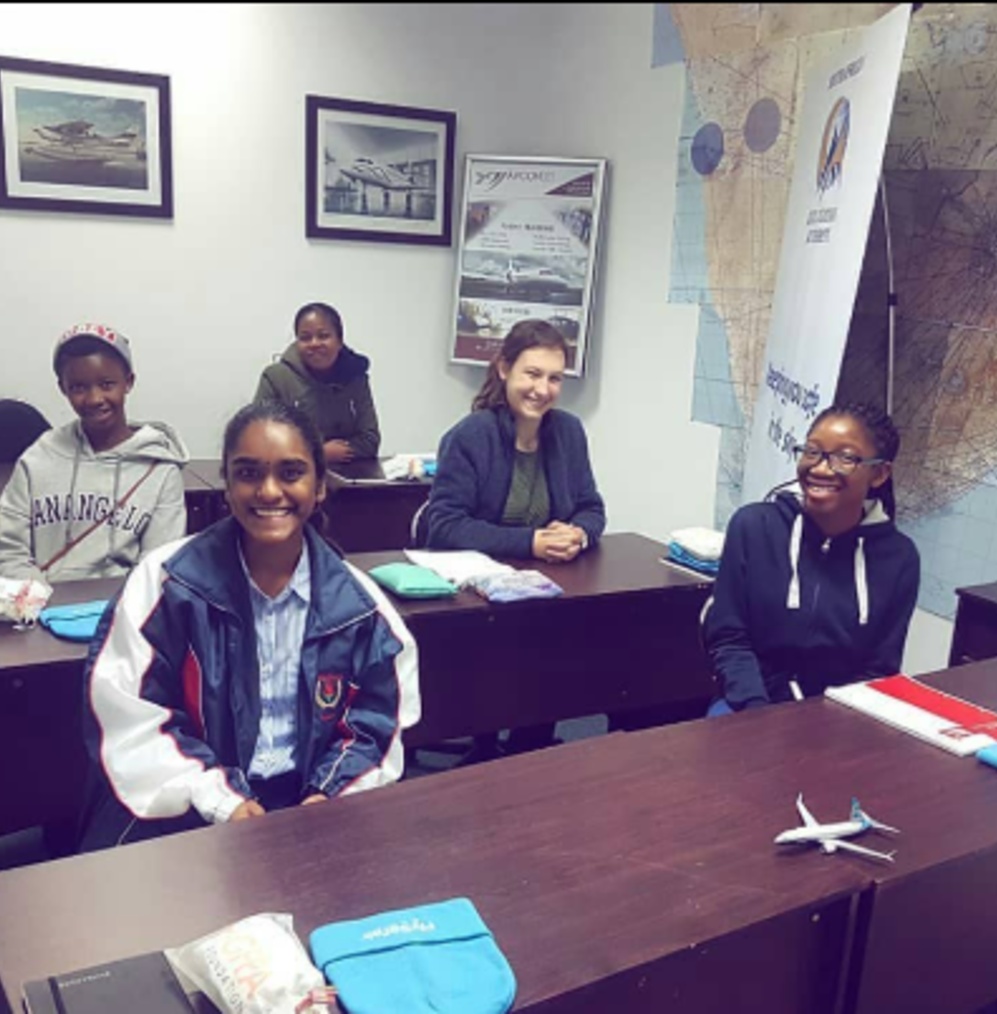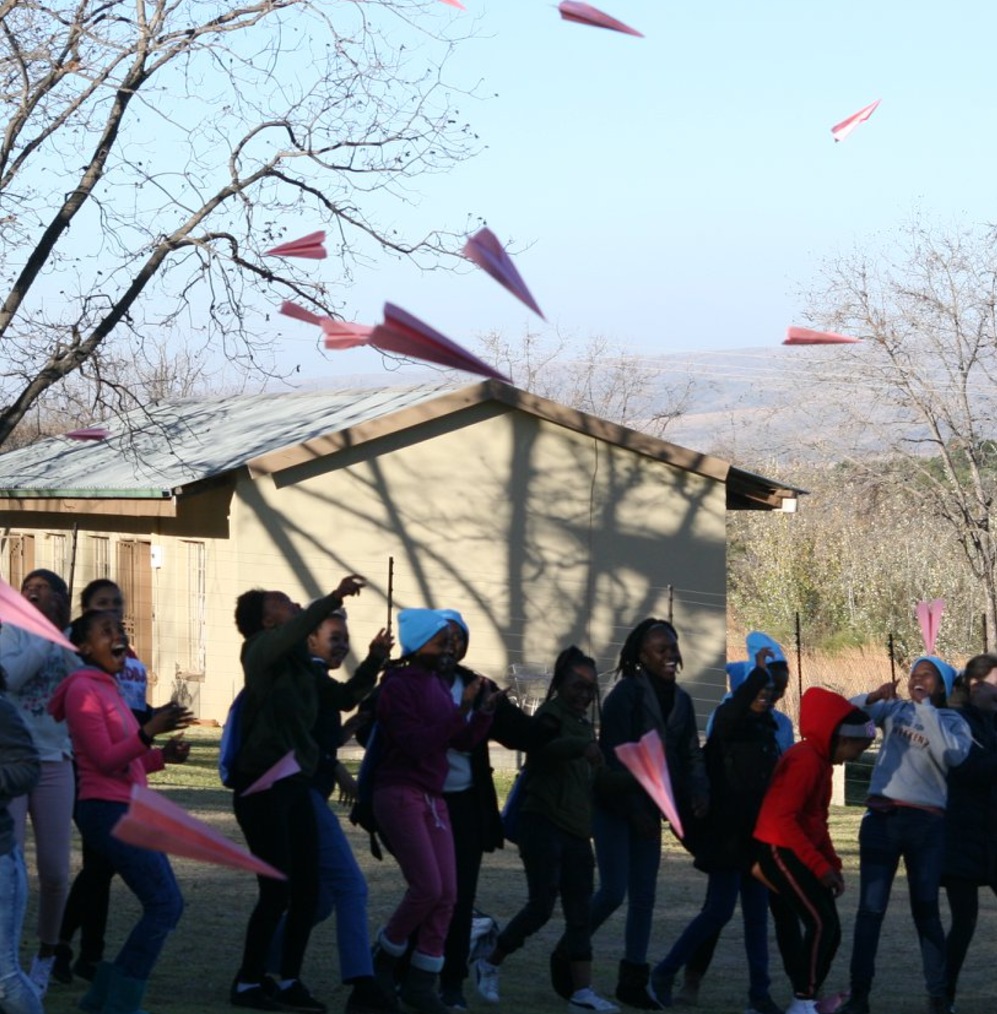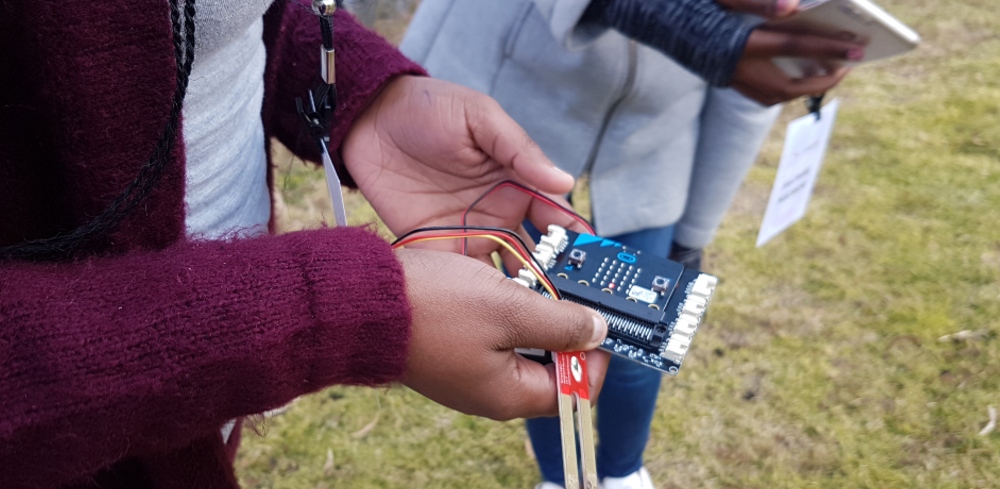

We recently caught up with our alum, Paballo, an inspiring young woman whose remarkable journey of taking her very first flight was highlighted in our Girls Fly Africa (GFA) BBC feature during the 2018 aviation and aerospace camp. Recently, we had the opportunity to reconnect with Paballo and learn more about her experiences from that impactful moment. We explored how that flight changed her perspective and what milestones she has achieved since then.
What are you currently doing?
I recently completed my Computer Science degree, and I am currently focused on building my career in technology, particularly in software engineering. I’m actively seeking opportunities to grow my skills and gain more industry experience. So while awaiting responses from potential employers, I am currently a freelancer, sharpening my skills by building for my own clients before I get into the real workspace. I have been part of the Codveda Technologies internship in recent months and also tutor Mathematics in my free time. I definitely intend on continuing with an honours degree in the future because I believe learning never really stops.
Tell us a bit about your background.
I grew up in Tshiawelo, Soweto, as the eldest sibling to my two younger brothers. My childhood was good, and for the most part, because I am naturally optimistic. I was raised by hardworking parents who always encouraged us to strive for more than they could achieve themselves. Because of that, education has always been a very strong focus in my life. I grew up believing it could change my future, which is why I have always valued and respected it. I attended high school at Curtis Nkondo School of Specialisation, where I focused on science subjects, as well as Information Technology and Accounting. Although I have always been a quiet, reserved, and sometimes even timid person, I have consistently tried to put my best foot forward regardless of how I feel, especially when it comes to decisions and opportunities that shape my future. Looking back now, I’m really grateful to my younger self for developing that determination, and to all the opportunities that have helped build the muscle within me to do so.
Which GFA programmes did you participate in?
I first participated in the Aviation and Aerospace Camp in 2018 while I was in Grade 9. Later, I attended additional Girls Fly Africa programmes and other initiatives.
How did you discover GFA?
I discovered the programme through my sister, Refilwe Leqhotsa, who encouraged me to apply.
What impact have the programmes had on you, both personally and professionally?
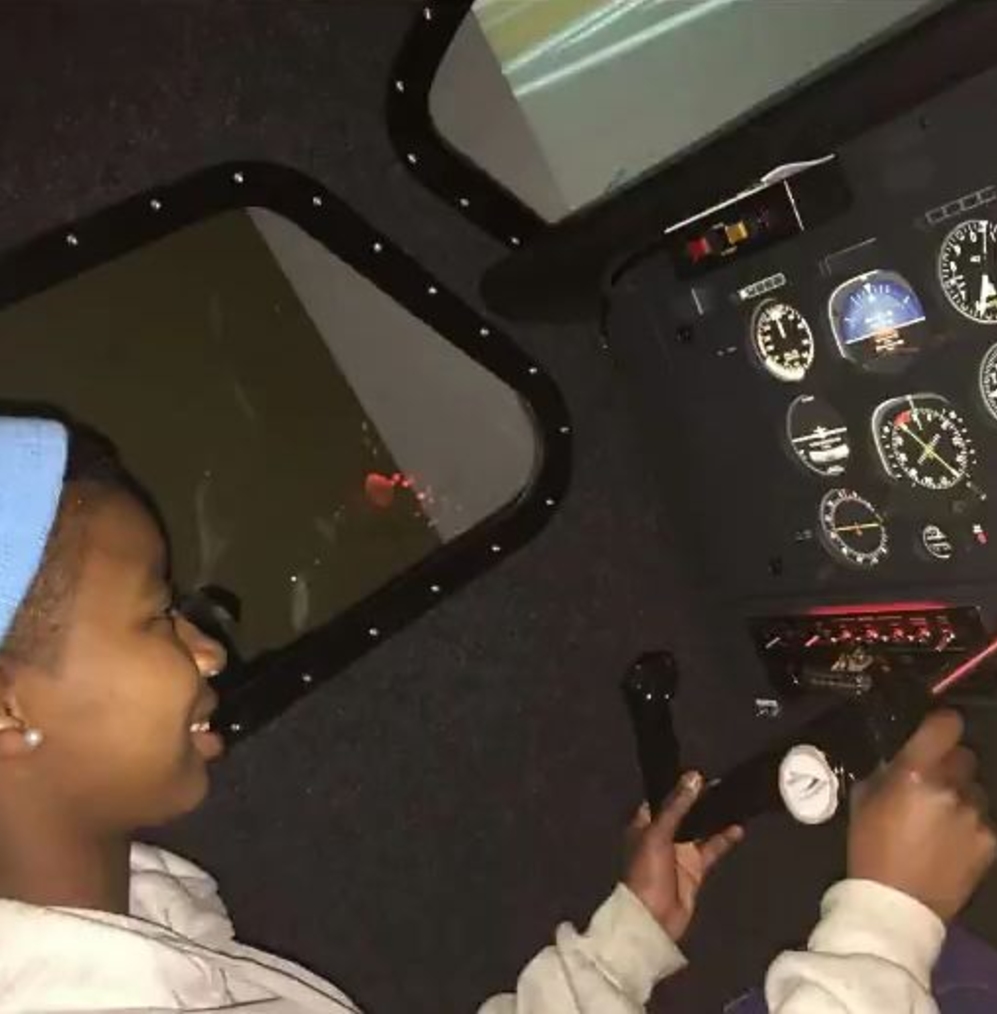
The programmes helped me grow in confidence, step out of my comfort zone, and discover the many opportunities within Science, Technology, Engineering and Mathematics (STEM). It also exposed me to inspiring women in aviation and technology. Being featured on the BBC has been, and honestly remains, a very surreal moment. At the time, I was still a young girl trying to understand what opportunities were out there. All I knew was that I wanted to be a pilot, as far-fetched as that felt at the time, so being exposed to a powerhouse of a woman, Refilwe Ledwaba, an actual flight, and not only that, but flying it and having the privilege of seeing my story shared on such a global platform was, goodness, such a pinch-me moment. It made me realise that the experiences I was having through Girls Fly Africa were bigger than I had imagined. It also shifted my mindset because I started believing that my dreams were within reach more than I once thought. It encouraged me to think bigger about my future and to dare to go after what I want, especially through the subsequent exposures. An experience I am eternally grateful for.
I also remember that first flight very vividly, as if it were yesterday. It was actually my first time flying, I had never driven a car before, and there I was about to be behind the cockpit. To say I was happy is such an understatement because the emotions that reigned supreme were far beyond that; there was excitement and, of course, a bit of nervousness, but once we were up in the air, it felt incredibly empowering. I still think about that moment because, as I had already mentioned, I truly realised how many possibilities exist beyond what we normally see growing up. It really opened my mind and gave me the confidence to believe I could pursue big dreams, too.
In what ways has your perspective evolved since participating in GFA?
Before GFA, I mainly knew about traditional careers like teaching or medicine. Even though I wanted to be something outside of that, which is being a Pilot, the programme opened my eyes to many other career paths, especially in aviation and technology, and helped me see what was possible for me. Not only that, but it also highlighted the significance of community with every programme that I attended.
Have you maintained connections with fellow participants or mentors from the program?
I have not stayed actively connected with fellow participants, but through social media interactions, I do engage on the pages.
What skills or knowledge acquired from GFA do you value the most?
Confidence, teamwork, and the courage to explore new opportunities in STEM.
How do you think Girls Fly Africa contributes to the empowerment of young women in Africa?
Girls Fly Africa is important because it exposes young girls to opportunities they might not normally see. When girls see women succeeding in aviation and STEM, it helps them believe that those careers are possible for them too. It’s also about building confidence and encouraging girls to dream bigger. For many of us, it’s the first time we realise that we truly belong in spaces like these.
What advice would you offer to new participants to help them maximise their experience?
Be open, ask questions, connect with people, and take advantage of every opportunity the programme offers.